Share

High-Profit Farms Keep Machinery Costs In Check

Dec 1, 2009 12:00 PM, BY DAVID HOWE

HIGH-PROFIT FARMS SHARE PENNY-PINCHING PROPENSITY.

The five most important characteristics that set high-profit crop farms apart from mid- and low-profit ones are “Costs, costs, costs, costs and costs,” says Kansas State University's (K-State) Kevin Dhuyvetter. The ag economist's only some-what tongue-in-cheek response is based on his analysis of profitability among farms participating in the Kansas Farm Management Association 2002-2006 project.

Using profit/acre as the common denominator for comparison, farms were grouped into high-, middle- and low-one-third profit.

If there's any single factor that stands out between high-profit and low-profit crop farms over the long term, it's cost control, says Dhuyvetter. “If we are looking at longer term (five-year averages or longer), I contend it is almost all cost differences.”

Prices and yields may be more important in the short term (one-to two-year profit comparisons), Dhuyvetter says. But long term, farmers have more control over costs than they do over prices and yields, he maintains. “We have little evidence that farmers can consistently beat the market,” he says. And, he adds, yields are heavily influenced by weather.

In the long term, even revenue differences take a back seat to cost control among factors that separate high-profit farms from those in the mid- and low-profit groups, he concludes.

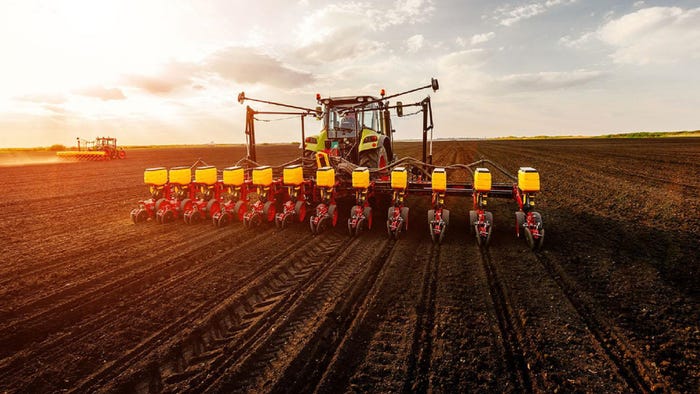
Among all costs, machinery cost stands out as the biggest difference-maker, he's found.

His analysis of non-irrigated corn enterprises in the Kansas Farm Management Association showed that the low-profit farms actually had higher gross incomes than mid- and high-profit farms (see chart, p. 12). But those low-profit farms had, on average, $89.80/acre more costs than mid-profit farms and $93.54/acre more costs than high-profit farms from 2002 to 2006.

HIGH-PROFIT FARMS' average machinery costs were $31.53/acre less than those of the low-profit ones. Those costs accounted for about 33% of the total cost difference between high-profit and low-profit farms, according to Dhuyvetter.

He found similar relationships for irrigated corn and soybean enterprises participating in the Kansas Farm Management Association.

Ag Economist Gary Schnitkey at the University of Illinois (U of I) believes controlling costs is the major factor separating high-profit farms from low-profit ones, long term.

“Where we see most of the difference is in machinery and overhead costs,” Schnitkey says, referring to long-term profitability comparisons of farms in the Illinois Farm Business Association.

Iowa State University (ISU) Ag Economist William Edwards says machinery costs are probably second only to land cost as a factor separating the high-profit farms from the low-profit ones in the Iowa Farm Business Association.

Volatility in cash rent in recent years — ranging from $200/acre to $300/acre — is showing up as the single most important cost factor affecting differences in profit per acre between high-profit and low-profit farms, says Edwards.

These ag economists say many cost factors are interrelated with other factors. One is farm size, where large-volume purchasing power may allow slightly lower input costs and a little earlier adoption of cost-saving technologies.

It's not costs alone. “We do find that high-profit farms get slightly better yields,” says Schnitkey.

Edwards says higher-yielding farms tend to be more profitable. Selling price can also be a factor between high- and low-profit farms. However, that “may not be as much (of a factor) as people think,” he adds. “The high-one-third farms received an average of 24¢/bu. more for their corn, but their average production cost per bushel was 79¢ lower than the low-one-third group.”

All three of these ag economists, of course, see other important characteristics that set high-profit farms apart from the low-profit ones.

Get Copyright ClearanceWant to use this article? Click here for options!
© 2010 Penton Media, Inc.


Acceptable Use Policy blog comments powered by Disqus

Most Recent Story

Weather

Continuing Education

Click here to view more courses


Accredited for 2 Units CCA Soil/Water Management:

(New Course)
Agronomic Principles and Efficient Chemigation and Fertigation Using Center Pivot/Linear Sprinkler Systems

This online CE course details sound mechanical irrigation design and management practices to allow efficient chemigation and fertigation.

Back to Top

Browse Back Issues

Related Sites