18 Resolutions to Improve Farming Practices in 2013

What is in this article?:


New Year's resolutions aren't just for those who are overweight, sedentary or struggling to break a bad habit. Farmers can resolve to avoid poor management practices or implement better production techniques in 2013. Here, Purdue University crop, livestock and agricultural economics specialists share their top three farmer resolutions for the year ahead.

Corn and Soybean Resolutions

Bob Nielsen, Extension corn specialist

1. Resolve to improve hybrid decision-making. "Look for hybrids that not only have high yield potential but also a demonstrated ability to consistently achieve that potential across a wide range of growing conditions, because you cannot predict what 2013 will bring in terms of weather."

2. Resolve to spend more time in the fields with the crops."This will help you better identify the yield-influencing factors most important to your farming operation. Then work with your advisor(s) to develop strategies to begin managing those factors."

3. Resolve to work toward improving the overall efficiency of your nitrogen management program. "Take steps to reduce the risks of N loss, such as leaching, denitrification and volatilization."

Shaun Casteel, Extension soybean specialist

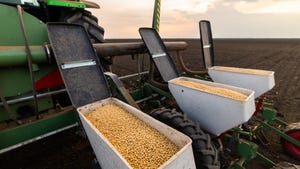
4. Resolve to read the variety tag."Seed size varies from year to year. The drought conditions – timing and duration – have impacted seed size (small and large), germination and vigor. Your planter settings and seeding rates need to be adjusted accordingly."

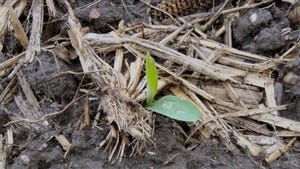
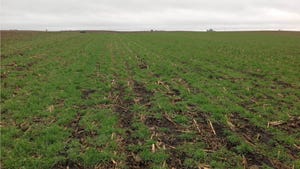
5. Resolve to take stand counts."Plant populations of 100,000-120,000 plants/acre optimize return in investment. Early season stand counts provide the opportunity to verify your seeding rates and emergence potential. You will also be scouting the field for pressures of weeds and pests."

6. Resolve to harvest grain above 13% moisture."We are losing out on a portion of our yield when we harvest below 13%. Note that this might mean having to set the combine multiple times based on the toughness of the stem and ease of pod threshing. You will gain yield in water weight and reduce the losses due to dry grain and header loss."

Discuss this Article 5

D (not verified)
on Dec 28, 2012

Please add more variety, more organic crops that are NOT GMO, and stop relying on one large crop for filler ingredients as I am now becoming highly allergic as is the rest of the population on your GM corn and soy. DUMP MONSANTO!!!! They are not good for us! We do not want their product!.

Roy Thagard (not verified)
on Jan 2, 2013

There are many options for organically grown foods. There's 2 billion people in the world today who are hungry and would love to have the choices you have.

JohninND (not verified)
on Jan 2, 2013

Freedom to choose is what this country is all about! If you choose not to eat GMO foods that is your perogative. By the same token, you have no right to criticise those who choose to use GMO's.

OMGosh
on Dec 29, 2012

It is a little late to do much about update your estate plan. Did you know 12-31-2012 the tax is the deadline for the tax extension????

Dear D (not verified)
on Jan 2, 2013

If people did not want Monsanto's product thier sales and earnings wouldn't continue to rise year after year. The american farmer is raising the cheapest safest food supply in the world and I for one would perfer if you just said thank you and went on about your day.

Post new comment
Sign In or register to use your Corn and Soybean Digest ID
(optional)

Newsletter Signup

Continuing Education Courses
New Course

Accredited for 2 hours/CCA Soil & Water credits. The 2,000 member...

This online CE course details sound mechanical irrigation design and management practices to...
Keeping crop protection chemicals on the crop for which they are intended has been a...
Connect With Us