2012 Drought and Income Tax Deferral of Crop Insurance, Disaster Payments

What is in this article?:

More About:


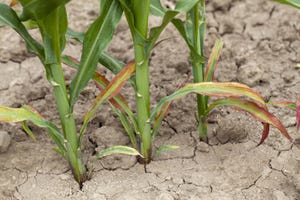
The drought in significant parts of the Corn Belt during summer 2012 has raised familiar questions about deferability of crop insurance proceeds. The issue is especially important for those farmers who have a history of reporting crop income in the year after the year of harvest. The Internal Revenue Code allows deferability of crop insurance proceeds if certain requirements are satisfied.

For a cash basis taxpayer, proceeds from insurance, such as from hail or fire coverage on growing crops, are includible in gross income in the year that they are actually or constructively received.1 In essence, destruction or damage to crops and receipt of insurance proceeds are treated as a “sale” of the crop. Under a special provision, taxpayers on the cash method of accounting may elect to include crop insurance and disaster payments in income in the taxable year following the year of the crop loss if it is the taxpayer’s practice to report income from the sale of the crop in the later year.2 The provision covers payments made because of damage to crops or the inability to plant crops. Also the deferral provision applies to federal payments received for drought, flood or “any other natural disaster.”

Deferability and Payment Trigger Under Policy

A significant issue is whether the deferral provision also applies to new types of crop insurance such as Revenue Protection (RP), Revenue Protection with Harvest Price Exclusion (RPHPE), Yield Protection (YP) and Group Revenue Protection (GRP).3 As mentioned above, to be deferrable, payment under an insurance policy must have been made as a result of damage to crops or the inability to plant crops.

Other than the statutory language that makes prevented planting payments eligible for the one-year deferral, the IRS position is that agreements with insurance companies providing for payments without regard to actual losses of the insured, do not constitute insurance payments for the destruction of or damage to crops.4 Thus, payments made under types of crop insurance that are not directly associated with an insured’s actual loss, but are instead tied to low yields and/or low prices, may not qualify for deferral depending upon the type of insurance involved. For example, payments made under policies where yield loss triggers payment will, at least in part, qualify for deferral. Other types of policies may not hinge payment on physical damage or destruction to crop.

If a crop insurance payment is based on both crop loss and price loss from a revenue-based insurance policy, only the portion intended to reimburse the farmer for crop loss is deferrable. The portion payable because of a decline in market price is not deferrable and is income in the year the payment is received.

Consider the following examples.

Example 1 ยป

Discuss this Article 0

Post new comment
Sign In or register to use your Corn and Soybean Digest ID
(optional)

Newsletter Signup

Continuing Education Courses
New Course

Accredited for 2 hours/CCA Soil & Water credits. The 2,000 member...

This online CE course details sound mechanical irrigation design and management practices to...
Keeping crop protection chemicals on the crop for which they are intended has been a...
Connect With Us