After a very dry May in many portions of southern and western Minnesota, some welcome rainfall was received across some of the region during the first week of June. Rainfall amounts varied greatly in south-central Minnesota, from slightly over ¼ in. to well over 2 in. in some areas. However, some portions of southwestern Minnesota remain quite dry. At the University of Minnesota (U of M) Southwest Research and Outreach Center at Lamberton, total rainfall during the first week of June was only 0.35 in., compared to 1.04 in. at the U of M Southern Research and Outreach Center at Waseca. For the month of May, Waseca received total precipitation of 3.27 in., compared to only 2.01 in. at Lamberton, of which only 0.40 in. fell after May 11.
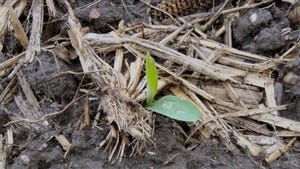
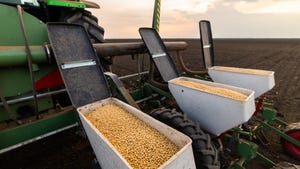
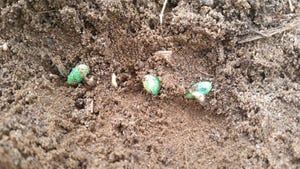
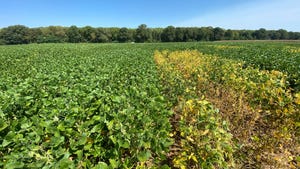
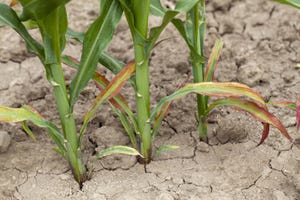
The recent rainfall came at a critical time in many areas, as later-planted soybeans had uneven emergence due to dry topsoil conditions, and crop stress was beginning to show on lighter, sandier soils in some locations. This rainfall should help alleviate the short-term dry weather concerns in some areas of southern Minnesota, especially those areas that received an inch or more. Other areas – particularly in southwestern Minnesota – still need some additional rainfall to alleviate the dry weather concerns.
The recent rainfall, combined with warmer than normal temperatures, have provided excellent growing conditions for corn and soybeans in most areas of southern Minnesota. Average 24-hour temperatures have been running slightly above normal in early June, following some very warm temperatures in late May. At the U of M research center at Waseca, the accumulated growing degree units (GDUs) from May 1 to June 7 was 475, which is about 7% above the average GDU accumulation of 444 on June 7. It should be noted that there was a GDU accumulation of approximately 150 in the last half of April in many areas, prior to the official GDU measurements at Waseca, which are initiated on May 1 each year. This April GDU accumulation greatly enhanced early corn development.
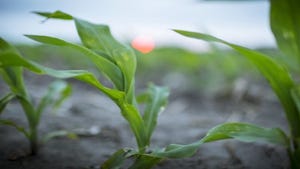
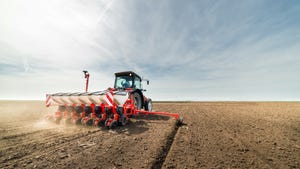
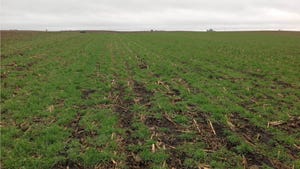
Most corn in southern Minnesota was planted seven to 14 days earlier than normal in 2010; however a large amount of emerged corn was significantly set back by a major hard frost on May 9. Most of the corn has now recovered from the frost damage, and is ahead of normal development for early June, due to the very warm weather and excellent growing conditions that have existed in recent weeks.
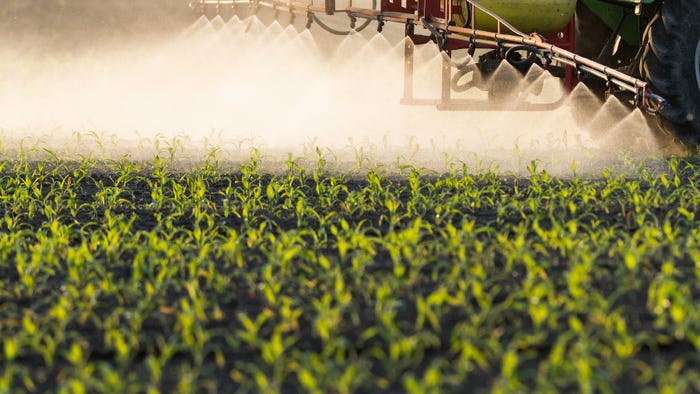
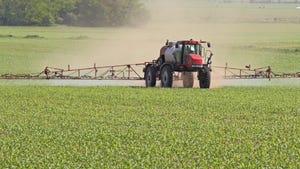
Many farm operators have been applying postemergence herbicides for weed control. Additional applications may be required if there is considerable weed growth following the recent rainfall. The first cutting of alfalfa is now completed in many areas. Yields were above average at many locations due to the warm weather pattern this spring. Prospects for second cutting alfalfa yields should improve in areas that have received the recent rainfalls.
For decades in Minnesota, June has been known as Dairy Month. Following are some interesting facts and figures about the dairy industry:
Bottom Line: A strong, vibrant and profitable dairy industry is very important toward building a healthy economic future for Minnesota, and the nation.
Editor’s note: Kent Thiesse is a former University of Minnesota Extension educator and now is Vice President of MinnStar Bank, Lake Crystal, MN. You can contact him at 507-726-2137 or via e-mail at kent.thiesse@minnstarbank.com.