Crops

RSS

Farmland Values Soaring, For Now

  • Jun. 4, 2013
    blog

    Prevented Planting Becomes the Focus of Farmers

    It’s hard to believe that a mere two to three months ago we were still talking about continued drought in much of the Upper Midwest. Now, in some areas of southern Minnesota and northern Iowa wet field conditions and delayed crop planting has become so severe that producers are considering not planting a portion of their crops in 2013....More
  • Mar. 13, 2013
    video
    Corn and Soybean Digest

    Modern American Agriculture Statistics: Farmers Producing More Grain, More Efficiently on Less Land

    As the world population grows, American farmers will have to produce more food in the next 50 years than in the past 10,000 years combined. All of the growth in production will have to be done with less land, energy and water consumption while conserving and sustaining natural resources....More
  • Feb. 19, 2013
    blog

    Seed Worries?

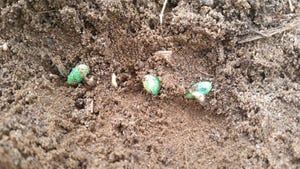
    A new source of yield worries in 2013: Seed availability and quality. Seed company representatives say the 2012 seed crops turned out better than expected during the growing season and overall supplies should be adequate. However, some agronomists say there could be shortages of some high-demand corn varieties. In addition, the germination standard in some lots could be in the 80% range and flat seed may be in shorter supply while rounds are more plentiful....More
  • Feb. 14, 2013
    video
    Corn and Soybean Digest

    USDA Reports Say Climate Change Will Affect Agriculture 1

    Two USDA reports say U.S. agriculture and forest management will have to adapt to climate change and that some of those efforts are already underway. "It’s well documented that the climate is changing, that we are seeing changes in temperature and in changes in precipitation patterns, and that those changes are having implications for forests and for agriculture," says William Hohenstein, director of climate change program, USDA. "What these reports actually look at in more detail are the changes that we expect in changes in terms of extreme events. Changes in the probability of droughts, and floods and how that also will have implications for our resources."...More
  • Jan. 29, 2013
    blog

    5 Lessons Learned from the 2012 Drought

    The 2012 crop year and the major drought that affected much of the United States is now behind us; however, many areas of the western Corn Belt, including much of southern and western Minnesota continue to face drought concerns for the coming 2013 crop year. Anytime we have a major disaster, such as the 2012 drought, it is always good to review what happened or didn’t happen, and to use those findings to strategize for the future. Following are some key observations relative to the 2012 drought that can help farm operators and the agriculture industry plan for the coming years....More
Continuing Education Courses
New Course

Accredited for 2 hours/CCA Soil & Water credits. The 2,000 member...

This online CE course details sound mechanical irrigation design and management practices to...
Keeping crop protection chemicals on the crop for which they are intended has been a...