Profit From Soil Organic Matter

The next agricultural revolution is brown, where you boost root and soil microorganism productivity.

What is in this article?:

Think Different


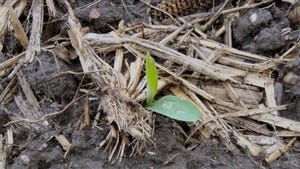
What is the Brown Revolution? Reduced tillage and conservation practices that preserve soil aggregates and root networks, delivering these benefits:

  • Increased soil water infiltration and storage.
  • Increased carbon (organic matter) content, which feeds beneficial soil microbes.
  • Increased soil aggregate stability (gas exchange and water infiltration rates)
  • Better management and mediation of temperature and moisture extremes.

More About:

Will the coming "brown" revolution be as big as the green revolution? The challenge is that it's out of sight, out of mind.And that’s an expensive attitude. The invisible world of soil microbes beneath your feet convert sunlight, water, CO2 and crop residue into crop income, courtesy of the “most incredible zoo,” says Diana Wall, soil ecologist at Colorado State University.

They are out of our sight, but too vital to ignore.

When you apply phosphorus (P) fertilizer, for example, the P may become chemically unavailable before the plant can absorb it, and soil microbes make it available through the growing season by unlocking chemical bonds.

During floods and droughts, soil microbes are what have built soil highways for efficient transport and storage of soil moisture, gases and nutrients.

 “Soil microorganisms decay organic matter and cycle nutrients back into forms that plants can use,” says Jill Clapperton,rhizosphere (root zone) ecologist and president of Rhizoterra, Lolo, Mont.“Tiny soil animals like protozoa, amoebae, nematodes and mites feed on organic matter, fungi, bacteria and each other. Together these activities stabilize soil aggregates, build a better soil habitat and improve soil structure, tilth and productivity.”

Untilled soil has $2,600 worth of free crop nutrients in the top 6 in., says soil microbiologist Kris Nichols with the USDA-ARS Northern Great Plains Research Laboratory, Mandan, N.D.

Soil carbon is the invisible plant and microorganism fuel produced by photosynthesis that feeds the magic microbes that work for us underground. The bottom line, Nichols says, is that working with soil microorganisms improves their fuel efficiency to produce your crop. Just as you control weeds and fertilize soil to optimize field environment aboveground, you can work with soil microorganisms underground to speed their conversion of residue into plant-available forms of N, P and other key nutrients. Your crop changes sunlight to fuel (soil carbon), which builds the machine (plant material and roots) that creates crops.

The valuable link between soil carbon and your crop aresoil microorganisms. They decay organic matter and cycle nutrients back into forms that plants can use, says Clapperton.“Tiny soil animals like protozoa, amoebae, nematodes and mites feed on organic matter, fungi, bacteria and each other. Together they stabilize soil aggregates, building a better soil habitat, improving soil structure, tilth and productivity.”

Soil microbes, fed by carbon, release crop nutrients that are strongly locked to soil calcium, iron or aluminum, depending upon soil pH, Nichols says. Without microbes, vital soil nutrients like P remain present but unavailable to your crop.

Feeding this cycle by extending the growing season (with cover crops and diverse crop rotations) increases the underground fuel (carbon) for your soil microbes, which feed your crop. “By mixing plant species with different rooting depths and architecture we can fill the soil profile with roots, build soil structure (secure the foundation), and feed soil organisms a diverse and varied diet,” Clapperton says.


Discuss this Article 4

EJ Lee Farms
on Jan 12, 2013

The link to the calculation Jim Hoorman referred to is incomplete.

jbennett
on Jan 12, 2013

Sorry about that! The information for that is actually on the last page of the story here, Estimating Fertilizer Value of Soil Organic Matter.

Art Tessmann (not verified)
on Jan 17, 2013

How true. Looking at my Dad's short course notes from 1949 and this was all they talked about in soils class. Healthy soils make healthy crops.

smithdamon13
on Mar 29, 2013

Soil that contains organic matter is useful for the growth of the plants and provides them sufficient nutrients. The micro organisms in the soil make the soil more aerated and increases the water holding capacity. This in turn is very beneficial for the plants and they get good amount of water and minerals. Use of organic manures and compost is also useful.

fish kelp fertilizer

Post new comment
Sign In or register to use your Corn and Soybean Digest ID

(optional)

Newsletter Signup

Continuing Education Courses
New Course

Accredited for 2 hours/CCA Soil & Water credits. The 2,000 member...

This online CE course details sound mechanical irrigation design and management practices to...
Keeping crop protection chemicals on the crop for which they are intended has been a...
Connect With Us