-
Responsible Tillage Boosts Profits
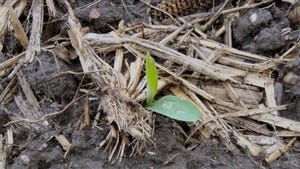
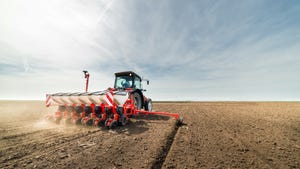
University of Illinois Extension crop-production specialist Emerson Nafziger has advised countless growers to till the least amount possible for their particular situation. He hopes “we can get to responsible tillage” if complete no-till isn’t practical on your farm. This is especially true in northern climates, where growers battle cooler temperatures and emergence issues, he says.
Photo: CTIC
-
Rethink Soil Value
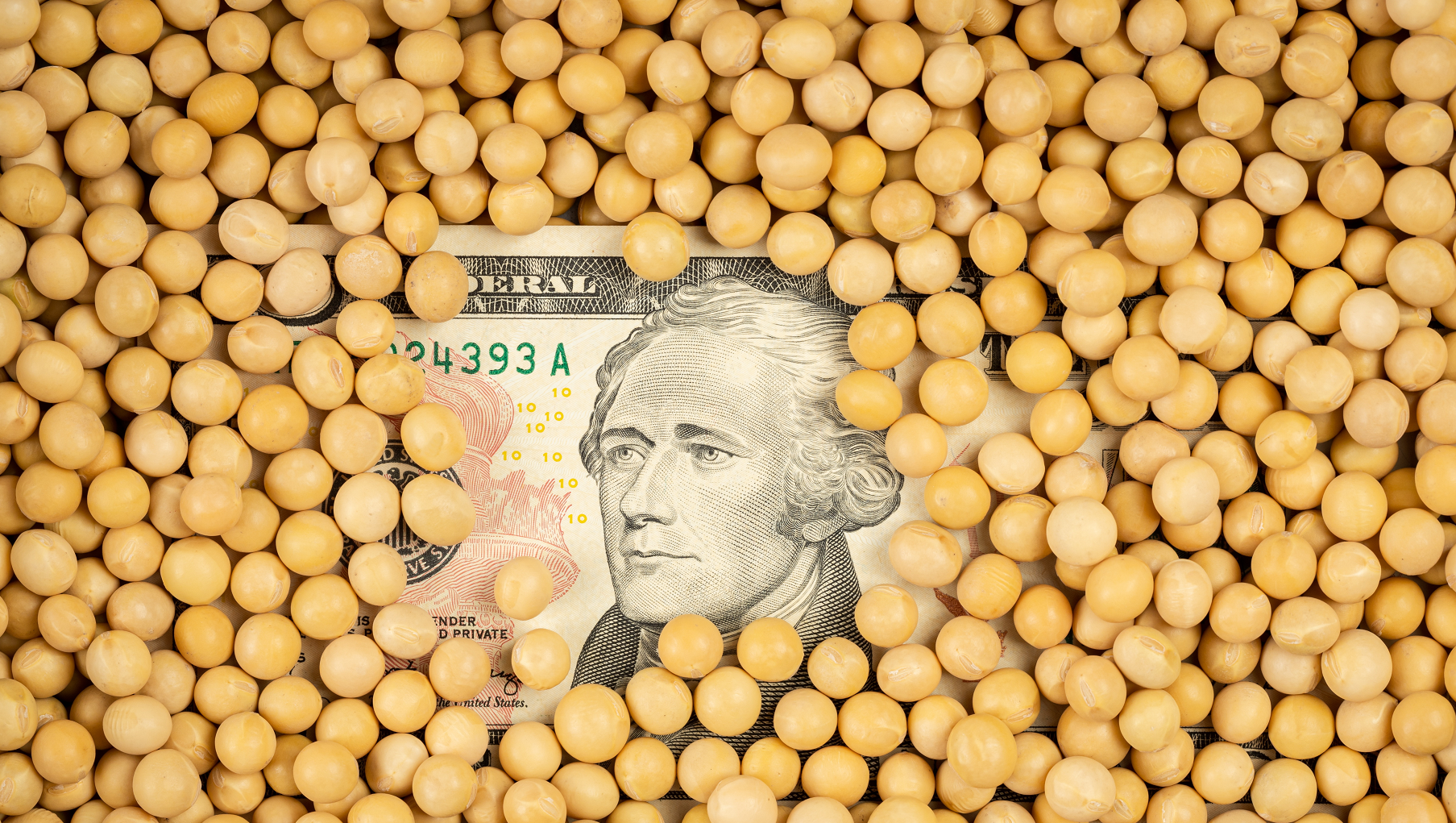
Today’s land prices are inefficient, claims Clay Mitchell, Buckingham, IA, grower and Harvard biomedical engineer and Saltonstall Fellow at Cornell University. “They’re determined by historical productivity and old soil surveys, but not by how much topsoil remains for future income potential,” he says.
Photo: Susan Winsor
-
Profit Perspective
From a bird’s eye view, you can spot nitrogen (N) deficiencies, poor irrigation-water distribution, drainage problems and uneven seeding or fertilizer application. Geo-referenced aerial photos can show storm damage, soil compaction, disease infestations, even marauding wildlife. Aerial images are also helpful for finding old tile lines or soil variations.
Photo: Jerry Mulliken
-
Escaped Sediment Being Blamed On You
Who is to blame for the sediment clogging Lake Pepin and other waterways that flow through farm country? It seems that lots of fingers point at farmers and their drainage practices. Midwest soils are fertile but often have poor natural drainage. The Corn Belt’s network of surface-drainage ditches and subsurface tile helps farmers meet the world’s growing demand for food.
Photo: NRCS
-
Refine Your Refuge
“Following refuge guidelines is important to manage insect resistance,” says Michigan State University Entomologist Chris DiFonzo, “and even more critical now that Bt rootworm control has been compromised” in some Midwest fields.
To manage corn rootworms in your structured refuge, select the best non-Bt hybrid for each field and consider soil insecticide to kill rootworm larvae, says Jeff Coulter, University of Minnesota Extension corn agronomist.
Photo: Susan Winsor
-
Watch Black Sea Exports
Hardly more than a year since Russia and Ukraine shook the world grain trade by halting grain exports, both nations are back competing for sales. And not just in traditional export markets for wheat and barley; Black Sea grain is beating out U.S. corn with some customers.
Map: EU Commission
-
Raise the Bar: Proactive and Progressive
Can you trace a kernel of your corn back to its field, seed lot and agronomic program? Can you delegate field operations to free your time for marketing and risk management? These are two of several improvements in JCS Family Farms’ move to more professional management systems.
Photo: Susan Winsor
-
Bringing Soil Back to Life
Soil residue made the difference for Ryan Speer during the long, parched summer of 2011. Lack of rainfall in south-central Kansas teamed up with 52 days of 100-degree or higher readings to devastate crops nearby. But he got a first-hand look at how protecting the soil can pay dividends.
Photo: Dean Houghton
-
Saving Sediment and Habitat
Bryant Farms has enrolled in the USDA Quail Habitat program, setting aside an area along the perimeter of forested land where buffer strips that promote native grasses allow protection and food for quail. The strips remove low-producing areas from crop production while protecting the young quail from overhead predators.
Photo: Dean Houghton
-
Match Conservation with Profit
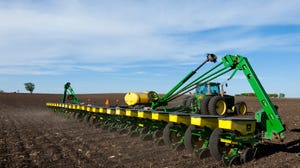
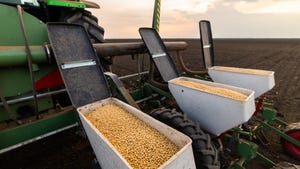
When September rolls around, Rodney Rulon gets the urge to take his soybean planter out of the shed and get to work. It may seem an odd time of year to watch a 31-row, 15-in. planter unfold in the field, but there is a method to his madness. Rulon Enterprises, an Arcadia, IN, family operation, is committed to cover crops—as well as many other environmentally friendly practices—in a big way. So they start early on their fall seeding chores.
Photo: Dean Houghton
Over the last year, we've done our best to help our readers Think Different. From management practices to conservation to global competition to data management, we're striving to give you the best. Here's a recap of our favorite Think Different stories from the January and February issues. We'll cover the rest of the year during the month of December.