USDA, NOAA Enter into Agreement to Improve Drought Weather Forecasting

USDA and other federal agencies continue to work to address the long term effects of last summer’s historic drought.
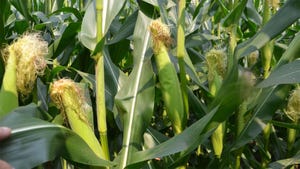
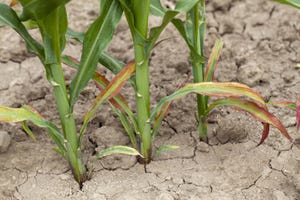
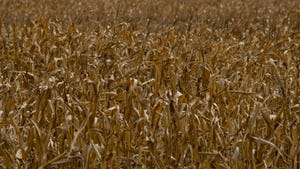
droughty corn
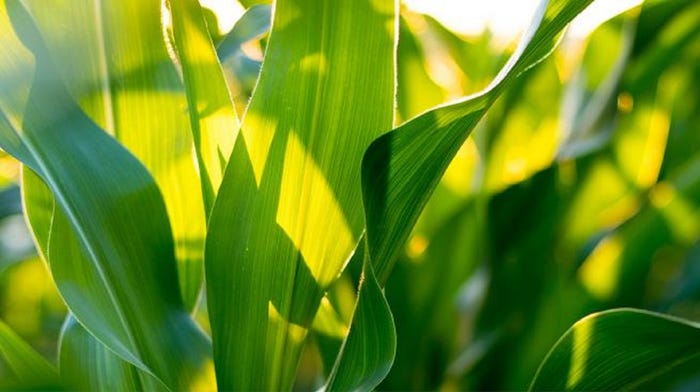
Corn affected by the 2012 drought.
Kurt Lawton

In the wake of a series of regional drought conferences with farmers, ranchers, business owners and other stakeholders, USDA is entering into a memorandum of understanding with the Department of Commerce, including the National Oceanic and Atmospheric Administration (NOAA), to improve sharing of data and expertise, monitoring networks and drought forecasting efforts. The MOU is a direct outcome of the regional conferences.

In recent months, USDA has partnered with local governments, colleges, state and federal partners to conduct a series of regional drought workshops. Hundreds of producers met with government officials to discuss needs, and programs available to them. Agriculture Secretary Tom Vilsack kicked off the first meeting in Nebraska, and additional meetings were held in Colorado, Arkansas, and Ohio.

The Secretary has addressed the National Drought Forum in Washington, where he announced that USDA’s measures to open conservation lands to emergency haying and grazing during the drought provided as much as $200 million in forage to producers facing feed shortages.

The Secretary also announced a pilot program administered by the Natural Resources Conservation Service (NRCS) in Kansas and Colorado to remove sediment from ponds to restore their water holding to previous capacities and he announced that NRCS has made available over $16 million through the Environmental Quality Incentives Program (EQIP) to farmers and ranchers for water conservation and wildlife habitat.

The Secretary also said that over the period of the recently expired Farm Bill, conservation systems installed with support from NRCS programs reduced water withdrawn from the Ogallala Aquifer by at least 860,000 acr-ft. This is more than enough water to cover the area of Washington D.C. nearly 20 ft. deep and is equivalent to the domestic water use of approximately 9.6 million individuals for a year. These reduced water withdrawals have also resulted in a related energy savings of the equivalent of at least 18 million gallons of diesel fuel.

Secretary Vilsack said the Obama Administration continues to do all it can to help farmers, ranchers, small business owners along with local and county governments meet drought-related challenges. “Now we know that the actions taken by USDA and other federal agencies at the height of the drought provided much-needed flexibility during a difficult time,” said Vilsack. “We also know that drought recovery is a long-term proposition, and we will continue to partner with producers to see it through.”


Get more information concerning available resources to combat drought.

Learn more about drought mitigation efforts undertaken by USDA.

Discuss this Article 0

Post new comment
Sign In or register to use your Corn and Soybean Digest ID
(optional)

Newsletter Signup

Continuing Education Courses
New Course

Accredited for 2 hours/CCA Soil & Water credits. The 2,000 member...

This online CE course details sound mechanical irrigation design and management practices to...
Keeping crop protection chemicals on the crop for which they are intended has been a...
Connect With Us